

Introduction
Artificial Intelligence (AI) has rapidly evolved from a experimental technological concept into an indispensable component of modern human existence. In 2026, artificial intelligence technologies are deeply embedded in how individuals organize their daily routines, how educators structure learning environments, and how enterprise organizations manage complex global operations. From intelligent voice-activated personal assistants to advanced predictive analytics systems in corporate boardrooms, AI is no longer merely an optional efficiency tool—it has become a foundational driver of innovation, productivity, and economic growth worldwide.
Understanding the pervasive impact of artificial intelligence across various sectors is essential for professionals, business owners, and everyday consumers looking to adapt to a rapidly digitizing economy. This comprehensive article explores the primary domains where artificial intelligence is making the most significant transformations today, while addressing the underlying technical, economic, and ethical considerations shaping its future development.
1. Enhancing Personal Productivity and Everyday Efficiency
On an individual level, machine learning algorithms and generative AI models have transformed how people manage personal tasks, process information, and interact with digital services. Smart devices are no longer passive tools that simply execute commands; they proactively assist users in optimizing their daily lives.
Key Innovations in Personal AI Technology:
- Hyper-Personalized Digital Assistants: Modern AI assistants go beyond setting timers or playing music. They analyze user behavior, schedule complex calendars, automatically draft tailored emails, and synthesize long documents into actionable summaries within seconds.
- Intelligent Creative Collaboration: Content creators, writers, and designers utilize generative AI platforms to brainstorm ideas, edit high-resolution media, generate prototype graphics, and correct complex code structures, significantly reducing the time required to complete creative projects.
- Advanced Content Curation: Search engines, social media ecosystems, and e-commerce platforms utilize deep learning models to understand individual preferences with remarkable accuracy, delivering personalized educational resources, products, and entertainment directly to consumers.
2. Revolutionizing Modern Enterprise Operations
For businesses operating in today’s competitive global market, integrating artificial intelligence is vital for maintaining operational efficiency, reducing overhead costs, and making real-time, data-driven strategy decisions.
Autonomous Customer Relationship Management
Traditional automated customer service systems often frustrated users with rigid, pre-programmed menu options. Modern enterprise AI platforms leverage Natural Language Processing (NLP) to understand complex, context-dependent customer inquiries in real time. These intelligent systems handle refunds, troubleshoot technical issues, and provide personalized product recommendations 24/7 without human intervention, drastically lowering operational costs while maintaining high satisfaction rates.
Predictive Analytics and Logistics Optimization
By continuously analyzing massive datasets from global supply chains, historical sales figures, and shifting consumer demographics, predictive AI models allow corporations to forecast market demand with exceptional precision. Companies can optimize inventory levels, minimize supply chain bottlenecks, prevent machinery failures through predictive maintenance, and allocate marketing budgets with high accuracy.
3. Transforming Healthcare and Higher Education
Beyond personal convenience and business profitability, artificial intelligence is driving meaningful advancements in critical social sectors, particularly healthcare delivery and educational accessibility.
Medical Diagnostics and Precision Medicine
In medical facilities, deep learning algorithms analyze complex radiological images, diagnostic scans, and genetic data to identify early-stage diseases—such as tumors or cardiovascular abnormalities—often before symptoms become clinically apparent to human physicians. Furthermore, AI platforms assist pharmaceutical researchers in modeling molecular structures, accelerating the discovery and testing of life-saving medications.
Personalized Learning and Adaptive Education
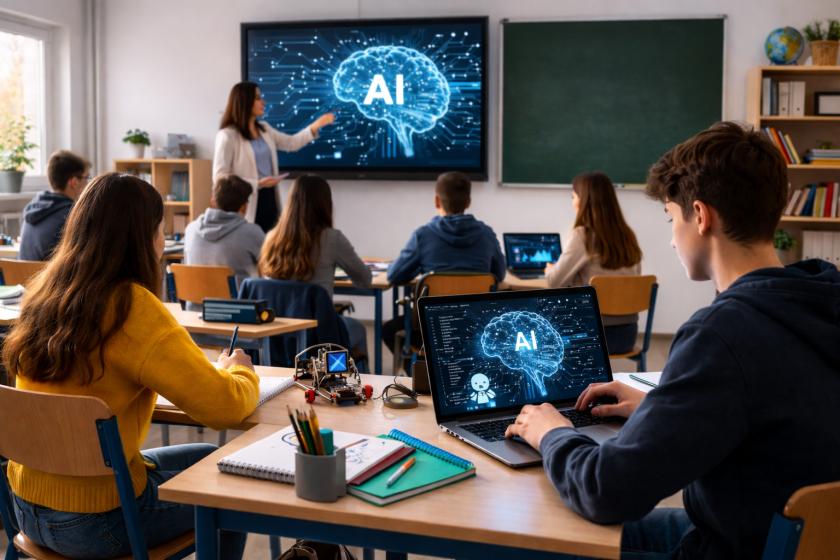
Educational institutions are increasingly deploying AI-powered adaptive learning platforms. These systems monitor a student’s individual learning speed, identify specific conceptual weaknesses, and dynamically adjust instructional materials to match their learning style. As a result, students receive customized tutoring and immediate feedback, empowering them to master difficult academic subjects at their own comfortable pace.
4. Ethical Considerations, Data Privacy, and Responsible AI
While the economic and practical benefits of artificial intelligence are undeniable, its rapid global deployment introduces significant ethical challenges that regulators and developers must address thoughtfully.
Crucial Challenges Facing the Tech Industry:
- Data Privacy and Protection: The training of sophisticated AI models requires massive volumes of personal and corporate data. Ensuring user privacy, securing database infrastructure, and preventing unauthorized data harvesting remain paramount priorities.
- Algorithmic Bias and Transparency: Machine learning models learn directly from historical datasets, which can inadvertently contain human biases. Developers must actively audit algorithms to ensure fair outcomes in financial lending, job recruitment, and legal evaluations.
- Intellectual Property Standards: As generative AI models create text, art, and code, defining copyright ownership and protecting the intellectual property of human artists and writers continues to be an evolving legal debate worldwide.
Conclusion
Artificial intelligence continues to reshape the global technological landscape at an unprecedented pace. Whether by automating administrative workloads for small business owners, assisting medical researchers in diagnosing diseases, or personalizing daily tasks for consumers, AI platforms offer immense potential when implemented responsibly. As these technologies continue to mature throughout 2026 and beyond, staying informed and adapting to digital innovation will be essential for anyone seeking long-term success in a technology-driven world.
Source: LinkedIn