

Sleep is widely recognized as one of the fundamental pillars of overall health and well-being, standing alongside proper nutrition and regular physical activity. While most individuals focus heavily on sleep duration—aiming for the recommended seven to eight hours per night—few pay sufficient attention to the quality of their sleep environment. Among the various environmental factors that influence sleep quality, ambient light exposure during the night is often overlooked.
Many people routinely fall asleep with overhead lights, bedside lamps, televisions, or smartphones turned on. Whether used as a comforting measure against fear of the dark or simply resulting from accidental sleeping in front of a screen, sleeping in illuminated environments has become a common modern practice. However, a growing body of scientific research indicates that exposure to artificial light during nighttime sleep can have profound, long-term consequences on cardiovascular health and metabolic function.
This comprehensive guide explores the physiological mechanisms connecting light exposure to heart health, examines key scientific findings, outlines the broader medical implications, and offers actionable strategies to create an optimal, dark sleeping environment.
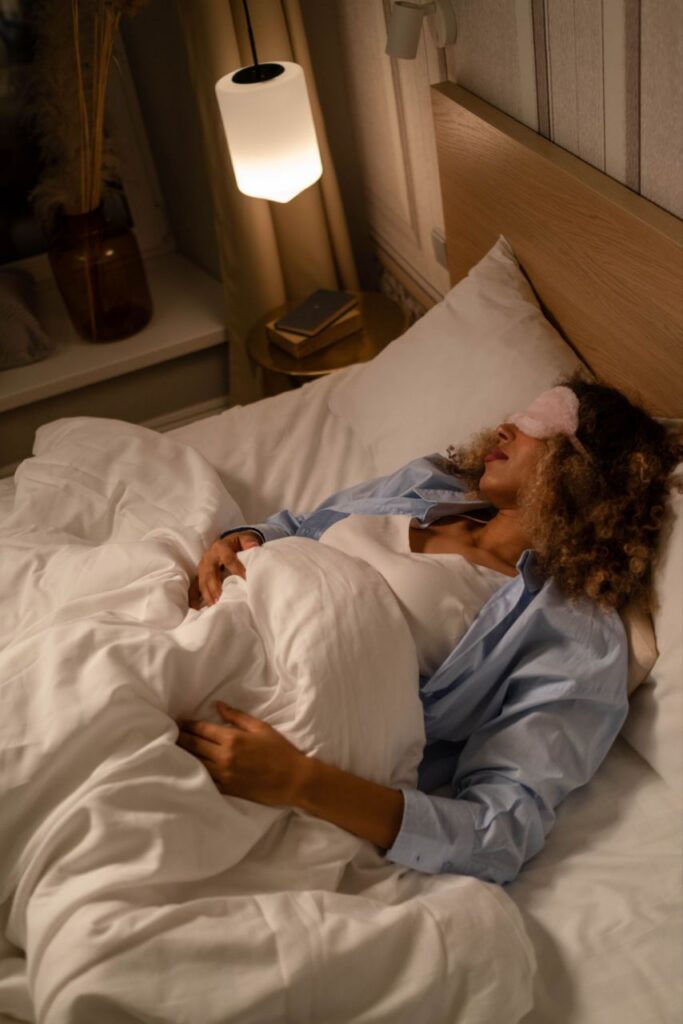
Understanding the Circadian Rhythm and Cardiovascular Health
To understand why light exposure at night harms the heart, it is necessary to first look at the human circadian rhythm. The circadian rhythm is an internal, 24-hour biological clock regulated by the suprachiasmatic nucleus (SCN), a specialized region located within the brain’s hypothalamus. According to research published by the National Institutes of Health (NIH), the SCN relies heavily on external environmental cues—primarily natural light and darkness—to synchronize essential biological functions, including hormone secretion, body temperature, digestion, and cardiovascular activity.
Under natural evolution, daytime light signals alertness, while nighttime darkness prompts restorative biological processes. During normal, dark nighttime sleep, the human body undergoes a protective phenomenon known as “nocturnal dipping.” According to clinical insights from the American Heart Association, during this phase:
- Blood Pressure Decreases: Systolic and diastolic blood pressure levels naturally drop by 10% to 20%.
- Heart Rate Slows: The heart muscle beats less frequently, reducing cardiac workload.
- Vascular Repair Occurs: Blood vessels undergo structural maintenance and repair mechanisms.
This natural nocturnal dip gives the cardiovascular system a crucial period of rest. When artificial light penetrates closed eyelids during sleep, the SCN interprets this signal as daylight, disrupting circadian alignment and halting these vital nocturnal recovery processes.
How Nighttime Light Exposure Directly Impacts Heart Health
Scientific studies have pinpointed several direct biological pathways through which nighttime light exposure taxes the cardiovascular system.
1. Sustained Activation of the Sympathetic Nervous System
The autonomic nervous system is divided into two primary branches: the sympathetic nervous system (responsible for the “fight-or-flight” stress response) and the parasympathetic nervous system (responsible for “rest and digest” recovery).
During proper deep sleep in total darkness, parasympathetic activity dominates, allowing heart rate and blood pressure to settle. However, when ambient light is present during sleep, light signals stimulate the optic nerve and activate the sympathetic nervous system—even while an individual remains completely asleep. Consequently, heart rate increases, blood vessel constriction occurs, and the heart is forced to work significantly harder throughout the night.
2. Suppression of Melatonin Secretion
Melatonin is a hormone produced by the pineal gland in response to darkness. As detailed by the Sleep Foundation, melatonin is best known for its role in initiating and maintaining sleep, but it also functions as a potent antioxidant and cardioprotective agent. It helps regulate vascular tone, reduces oxidative stress within blood vessels, and supports healthy endothelial function (the inner lining of heart arteries).
Even low levels of ambient light—such as light from a hallway, a glowing television screen, or a digital alarm clock—are sufficient to suppress melatonin synthesis. Depriving the body of melatonin leaves blood vessels more vulnerable to inflammation and oxidative damage over time.
3. Impaired Glucose Regulation and Insulin Resistance
Heart health is intimately connected to metabolic health. Research demonstrates that light exposure during sleep disrupts glucose metabolism, leading to elevated morning blood sugar levels and acute insulin resistance.
When the body becomes resistant to insulin, it struggles to transport glucose out of the bloodstream and into cells effectively. Prolonged insulin resistance causes chronic inflammation, accelerates plaque buildup within coronary arteries (atherosclerosis), and dramatically elevates the risk of developing type 2 diabetes—a major independent risk factor for heart attacks and strokes, according to the Centers for Disease Control and Prevention (CDC).
Key Research Findings: What the Studies Show
In recent years, several major clinical studies have documented the clear connection between light exposure during sleep and cardiovascular stress.
The Northwestern Medicine Study
A landmark study conducted by medical researchers at Northwestern Medicine examined healthy adult participants sleeping in two different environments: one group in a dimly lit room (less than 3 lux) and another in a room with moderate ambient lighting (100 lux, equivalent to an overhead light or television).
The researchers discovered that participants exposed to moderate light experienced:
- Elevated Heart Rate: Heart rates remained consistently higher throughout the night compared to those in the dim room.
- Increased Heart Rate Variability (HRV) Instability: Markers indicated heightened sympathetic nervous system activity during sleep.
- Immediate Insulin Resistance: The following morning, participants exposed to light showed significantly higher insulin resistance, proving that even a single night of light exposure can impair metabolic and cardiovascular balance.
Large-Scale Epidemiological Evidence
Observational studies involving tens of thousands of participants over extended periods have mirrored laboratory findings. Large cohort data published in medical journals indexed on PubMed show that individuals who consistently report sleeping with artificial light sources in their bedrooms have a significantly higher statistical incidence of:
- Chronic hypertension (high blood pressure)
- Increased arterial stiffness
- Higher body mass index (BMI) and abdominal obesity
- Elevated long-term risk of coronary artery disease
Other Health Consequences of Sleeping with Lights On
The negative effects of sleeping with ambient light extend beyond the cardiovascular system:
- Fragmented Sleep Architecture: Light causes frequent micro-arousals (brief awakenings that may not be remembered), preventing the body from remaining in restorative deep sleep and Rapid Eye Movement (REM) stages.
- Cognitive Fatigue and Mood Disorders: Chronic sleep fragmentation leads to daytime brain fog, reduced stress tolerance, impaired memory consolidation, and an increased susceptibility to anxiety and depression.
- Hormonal Imbalances: Disrupted sleep schedules alter cortisol (the primary stress hormone) patterns, leading to elevated daytime stress and appetite dysregulation.
Practical Steps to Optimize Your Sleep Environment for Heart Protection
Transforming your bedroom into a dark, cardiac-friendly sanctuary requires simple, practical changes:
- Eliminate Primary Light Sources: Turn off all overhead lights, desk lamps, and bedside lighting before getting into bed.
- Remove or Cover Electronic Devices: Switch off televisions, laptops, and tablets. Position mobile phones face down away from the bed, or keep them out of the bedroom entirely.
- Install Blackout Window Coverings: Use thick blackout curtains or shades to block external illumination caused by streetlights, vehicle headlights, or commercial signage.
- Modify Necessary Nightlights: If light is required for safety (such as navigating hallways at night), choose low-intensity nightlights positioned low to the ground. Select amber, orange, or red wavelengths, which are far less disruptive to melatonin production than white or blue light.
- Wear a Quality Sleep Mask: If controlling room lighting is difficult—such as while traveling or living in a bright urban area—a comfortable, contoured eye mask provides an immediate, effective barrier against ambient light.
Conclusion
While sleeping with lights on is a common and often unconscious habit, scientific evidence clearly demonstrates its subtle yet harmful impact on cardiovascular and metabolic health. By keeping the sympathetic nervous system active, suppressing melatonin, and inducing insulin resistance, nighttime light exposure deprives the heart of its essential nightly rest.
Prioritizing absolute darkness in the bedroom is a simple, non-pharmacological strategy that yields substantial, long-term health benefits. By eliminating light pollution from your sleeping environment, you give your cardiovascular system the restorative sanctuary it requires to maintain health, vitality, and resilience.