

In an unprecedented and deeply concerning mid-air aviation emergency, a commercial passenger aircraft bound for Tel Aviv was forced to execute an immediate emergency descent and divert to Saudi Arabia following a violent altercation inside the flight deck. According to direct eyewitness testimonies and breaking reports from Israeli media, the aircraft experienced a sudden, dramatic altitude drop of approximately 17,000 feet shortly after a pilot was allegedly stabbed during flight operations.
The high-stakes crisis has sent shockwaves through the aviation industry, sparking immediate responses from international intelligence agencies, aviation safety regulators, and diplomatic bodies across the Middle East.
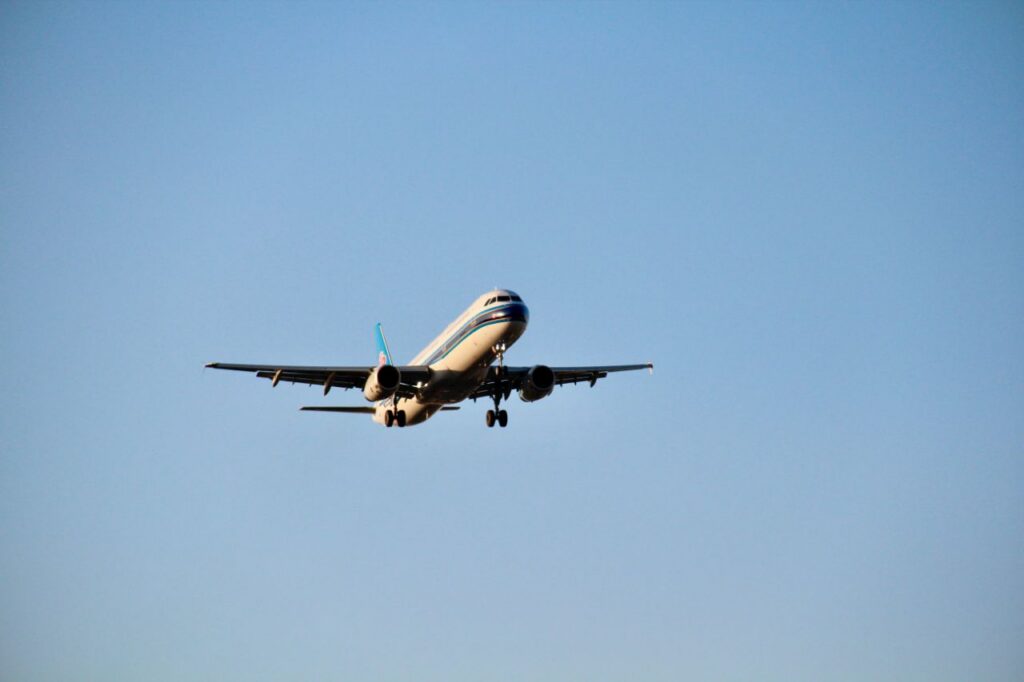
The In-Flight Emergency: Minute-by-Minute Sequence
According to passenger statements broadcast on Israeli national television and confirmed by regional air traffic monitoring networks, the flight was progressing normally toward Ben Gurion Airport in Tel Aviv before an abrupt disturbance erupted near the cockpit.
Eyewitnesses described moments of intense panic as flight attendants rushed down the aisles and an unannounced, steep nose-down altitude reduction began.
Key Details from the Incident:
- The Onboard Assault: Reports indicate that an individual on board managed to confront the flight crew, leading to a physical assault in which a pilot sustained sharp-force injuries.
- Rapid Descent Phase: Flight telemetry data reveals that the aircraft executed an immediate tactical descent, dropping nearly 17,000 feet in a matter of minutes. Pilots routinely perform rapid descents during physical safety threats or cabin depressurization events to reach lower, more manageable air space while crew members secure the cabin.
- Emergency Transponder Squawk: The flight crew declared a squawk 7700—the universal aviation code for an emergency—notifying all regional air traffic control towers of a critical safety threat onboard.
Live coverage and ongoing verification provided by global media authorities, including live breaking feeds from BBC News, confirm that the crew requested an immediate landing at the nearest suitable airfield, which led to an emergency diversion directly into Saudi Arabian airspace.
Geopolitical Implications: An Unprecedented Diversion to Saudi Arabia
The decision to land a passenger aircraft carrying travelers bound for Israel at a Saudi Arabian airport marks an extraordinary operational moment. While direct flights and diplomatic relations across the region remain delicate, international civil aviation treaties explicitly govern high-risk emergencies.
Under the regulations of the International Civil Aviation Organization (ICAO), any sovereign state is legally obligated to grant immediate air passage and landing rights to any civilian aircraft experiencing a life-threatening emergency, regardless of political affiliations or flight origin.
Ground Response and Humanitarian Assistance
Upon touchdown, the aircraft was directed to an isolated taxiway where heavy security forces, emergency medical units, and airport fire services met the plane.
- Immediate Medical Evacuation: Medical personnel rushed aboard to provide urgent care to the injured pilot before transferring them to a regional hospital facility.
- Passenger Screening & Containment: Airport security officials surrounded the aircraft, systematically deplaning passengers to conduct security checks, verify travel documentation, and identify suspect individuals.
- Consular & Diplomatic Coordination: Foreign ministry teams and international aviation intermediaries began negotiating logistics to organize secondary transport for the stranded passengers to complete their journey to Tel Aviv.
Urgent Questions Regarding Cockpit Security Protocols
This dramatic incident has renewed critical discussions regarding global airline safety standards. Following the tragic events of September 11, 2001, international regulatory bodies mandated strict structural upgrades for commercial passenger jets.
How Was Access Gained?
Commercial airliners are outfitted with reinforced, bulletproof, and blast-resistant cockpit doors engineered to remain locked throughout the duration of a flight. Access is strictly controlled via electronic keypads and internal video surveillance. Aviation safety analysts are currently focused on determining several vital factors:
- Internal vs. External Threat: Whether the assailant was a passenger who breached security barriers during a routine door opening (such as during pilot rotation or meal service) or a member of the flight crew.
- Pre-Flight Screening Audits: How a weapon or sharp object bypassed initial airport security checkpoints prior to boarding.
- Flight Deck Isolation Procedures: Whether existing cabin crew communication protocols require immediate tightening across international carriers.
Official Investigations Underway
Air accident investigation bureaus, alongside counter-terrorism agencies, have launched a multi-jurisdictional inquiry into the assault. Investigators will recover the aircraft’s Cockpit Voice Recorder (CVR) and Flight Data Recorder (FDR)—commonly known as the black boxes—to reconstruct an exact second-by-second timeline of the altercation and subsequent rapid descent.
Airline representatives have assured the public that comprehensive updates regarding the injured pilot’s health, official investigative findings, and passenger repatriation details will be published as verified information becomes available.
Final Thoughts
While mid-air security breaches are exceedingly rare in modern aviation, this incident underscores the severe challenges faced by flight crews during unexpected emergencies. The swift action of the co-pilot and cabin crew in stabilizing the aircraft during a 17,000-foot descent undoubtedly prevented a far greater tragedy. As investigations proceed, global regulatory bodies are expected to review and potentially heighten inflight safety standards across all international routes.