

Despite ongoing geopolitical tensions across the Taiwan Strait and Beijing’s ambitious defense updates, United States intelligence agencies and military analysts assess that a full-scale Chinese invasion of Taiwan remains unlikely in the immediate near term.
While Western defense officials have long highlighted 2027 as a pivotal milestone year for the People’s Liberation Army (PLA), recent intelligence evaluations suggest that economic headwinds, military logistical hurdles, and regional deterrence continue to weigh heavily on Beijing’s strategic calculus.
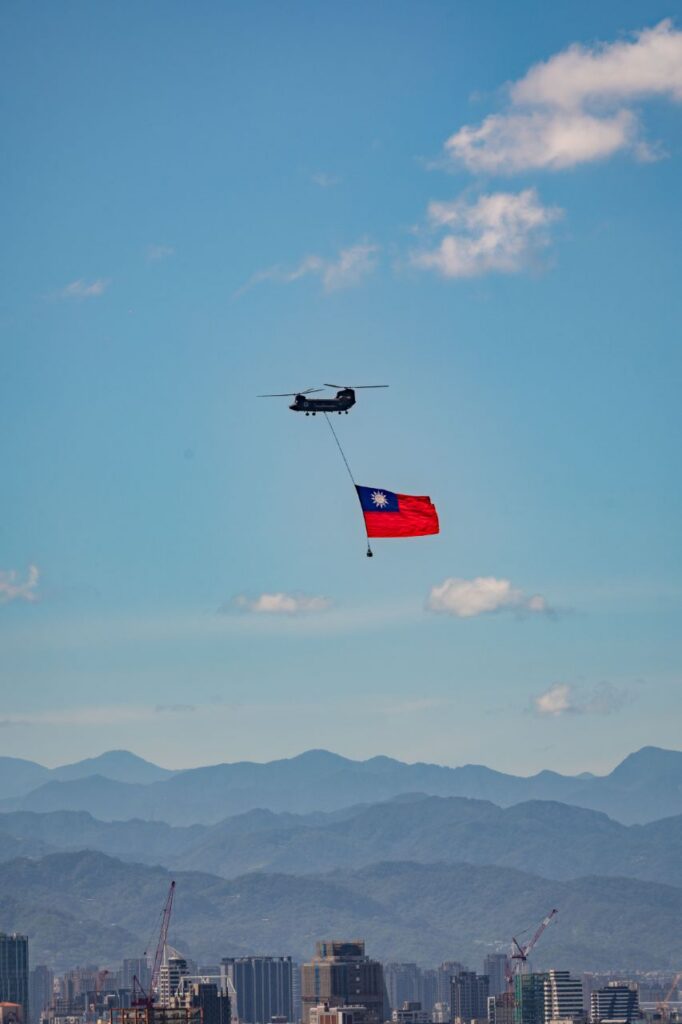
Understanding the 2027 Timeline: Capability vs. Intent
The year 2027 holds significant symbolic and operational importance for Beijing. It marks the centenary of the founding of the People’s Liberation Army. US defense officials previously testified that Chinese President Xi Jinping directed his military leadership to develop the technical capability to successfully conduct an amphibious assault on Taiwan by 2027.
However, intelligence analysts emphasize a critical distinction between building military capabilities and making an operational decision to initiate war.
Key Intelligence Takeaways:
- Capability Milestone, Not a Fixed Calendar: Developing the technical readiness for an amphibious assault by 2027 does not equate to an active decision or operational order to launch an invasion.
- Risk Management: Chinese strategic leadership remains deeply aware of the massive economic and political risks associated with a major cross-strait conflict.
- Deterrence Factors: Multi-lateral security agreements and defense enhancements across the Indo-Pacific region continue to complicate Beijing’s military planning.
According to reporting on global defense assessments published by Reuters, US national security advisers continue to closely monitor troop movements, industrial production, and joint military exercises around the island.
Operational Challenges Impeding an Immediate Assault
Planning and executing an amphibious invasion across the 100-mile-wide Taiwan Strait is considered by military strategists to be one of the most complex military operations in modern history. Several major operational challenges explain why an immediate conflict remains unlikely:
1. Logistical and Amphibious Limitations
Transporting hundreds of thousands of combat troops, heavy armor, and continuous supply lines across open water requires massive naval sealift capacity. Analysts note that China’s current inventory of specialized amphibious landing craft and support vessels is still undergoing expansion and integration.
2. Economic Vulnerabilities and Sanctions Risks
An armed conflict in the Taiwan Strait would disrupt global supply chains, particularly in high-tech manufacturing and advanced semiconductor production. Potential international trade sanctions and financial isolation pose severe risks to domestic economic stability.
3. Modernization and Anti-Corruption Reforms
Recent restructuring within senior defense leadership and ongoing efforts to root out corruption in defense procurement indicate that Chinese military leadership is prioritized on internal operational efficiency before committing to high-risk foreign actions.
Gray-Zone Tactics Over Full Military Confrontation
Rather than risking an immediate major military invasion, international security experts anticipate that Beijing will continue utilizing “gray-zone” pressure tactics. These activities are designed to wear down defensive readiness and test regional resolve without triggering a direct armed response.
- Increased Air and Naval Patrols: Routine military flights crossing the median line of the Taiwan Strait to exert psychological and operational pressure.
- Economic and Cyber Measures: Targeted trade restrictions, cyber probing, and strategic messaging to influence political narratives.
- Comprehensive Blockade Rehearsals: Conducting joint military drills around key maritime routes to simulate potential blockade scenarios.
What Lies Ahead for Regional Stability
While US intelligence indicates that an immediate invasion within the next year is unlikely, the long-term military balance in East Asia remains dynamic. The United States and its regional allies continue to strengthen intelligence sharing, maritime security cooperation, and defensive readiness to preserve peace and stability across the Indo-Pacific.
As diplomatic dialogues continue alongside military deterrence, global observers remain focused on monitoring developments across the Taiwan Strait in the lead-up to 2027.
Final Thoughts
The strategic assessment that a Chinese invasion of Taiwan remains unlikely next year offers a sober, analytical perspective amid escalating global headlines. By distinguishing between long-term military modernization targets and immediate political intent, security experts stress that conflict is neither imminent nor inevitable.