

As autumn unfolds across the Northern Hemisphere and atmospheric clarity improves, the October night sky presents an array of extraordinary astronomical phenomena for stargazers around the world. From ringed gas giants reaching their annual peak brightness to swift meteor showers powered by iconic comets, the month offers exceptional opportunities for both casual observers and experienced astronomers.
Official skywatching guidance from the National Aeronautics and Space Administration (NASA) highlights three major celestial highlights to observe throughout the month: Saturn in opposition, the Orionid meteor shower peak, and the Moon’s close encounter with the Pleiades star cluster.
1. Saturn Reaches Opposition: Peak Visibility for the Ringed Planet
On October 4, the gas giant Saturn achieves opposition—a key orbital configuration where Earth passes directly between Saturn and the Sun. This alignment places Saturn opposite the Sun in our sky, causing the planet to rise around sunset and remain fully visible throughout the night.
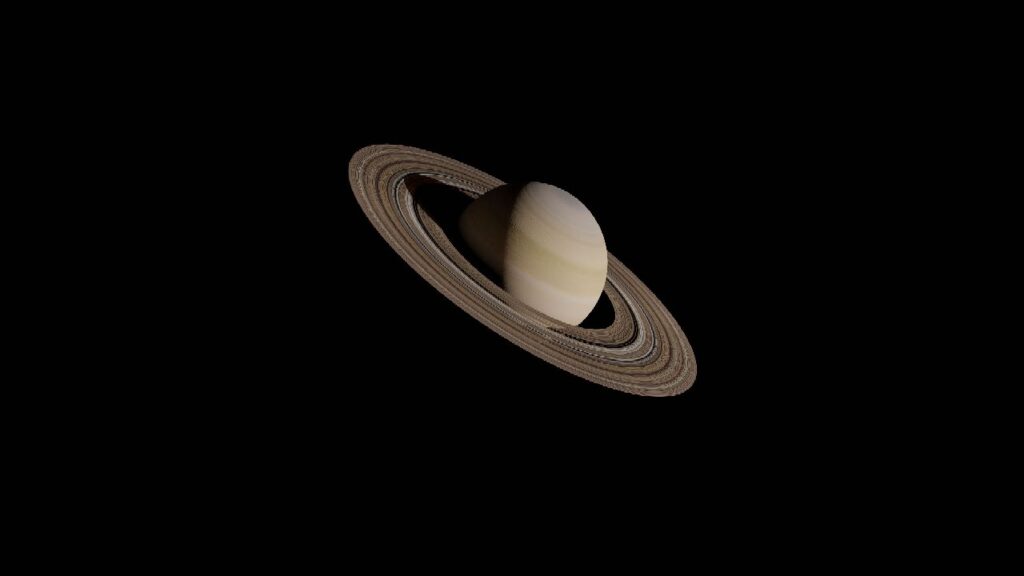
Why Saturn at Opposition Is Special:
- Maximum Brightness and Size: During opposition, Saturn is at its closest point to Earth for the entire year, causing its atmosphere and iconic rings to shine brightly.
- All-Night Viewing Window: Because it rises in the east as the Sun sets in the west, observers have an extended nighttime window to locate and photograph the planet.
Viewing Recommendations:
While Saturn appears as a steady, golden-yellow point of light to the naked eye, using a basic pair of binoculars or a small backyard telescope will reveal its majestic ring system and its largest moon, Titan.
2. The Orionid Meteor Shower: Debris from Halley’s Comet
Reaching its peak activity on the night of October 21 into the morning of October 22, the Orionid meteor shower offers an exciting display of fast-moving “shooting stars”. The Orionids are known for their exceptional speed—streaking through Earth’s upper atmosphere at approximately 41 miles (66 kilometers) per second—frequently leaving glowing persistent trains of ionized gas in their wake.
Origin and Characteristics:
The Orionids are formed by tiny ice and dust particles left behind by Comet 1P/Halley during its historical passes through the inner solar system. Although the meteors appear to radiate from the constellation Orion (near the famous hunter’s sword), they can streak across any region of the night sky.
Tips for Catching the Orionids:
- Pre-Dawn Hours: The best time to observe the shower is during the quiet hours just before dawn, after the moon sets below the horizon to reduce ambient moonlight interference.
- Seek Dark Skies: Move away from city streetlights and urban light pollution to maximize visual sensitivity.
- Allow Dark Adaptation: Give your eyes roughly 20 to 30 minutes to adjust to the darkness without looking at bright mobile screens.
Under optimal dark-sky conditions, stargazers can expect to see up to 15 to 20 meteors per hour during peak activity.
3. The Moon Meets the Seven Sisters (Pleiades Cluster)
Toward the end of the month, on the night of October 27 into October 28, skywatchers can observe a picturesque celestial pairing as the Moon passes extremely close to the Pleiades star cluster (cataloged as M45 and often referred to as the “Seven Sisters”).
Understanding the Pleiades:
Located approximately 444 light-years from Earth in the constellation Taurus, the Pleiades is an open star cluster composed of hot, luminous blue stars that formed within the last 100 million years.
Observation Tips:
- Look toward the eastern horizon in the evening as the Moon and the cluster gradually climb higher into the sky.
- To the unaided eye, the Pleiades appears as a delicate, fuzzy grouping of six or seven main stars.
- Viewing the cluster through wide-field binoculars expands the view, revealing dozens of fainter member stars clustered closely alongside the bright lunar crescent.
Essential Skywatching Checklist for Beginners
To make the most of your October stargazing sessions, consider the following practical steps recommended by astronomy experts:
- Monitor Weather and Cloud Cover: Clear, low-humidity nights provide the sharpest atmospheric transparency for planetary and deep-sky observations.
- Use Astronomy Mobile Apps: Digital sky map applications (such as Stellarium or NASA’s Night Sky Network) help pinpoint exact constellation locations relative to your geographical position.
- Dress Warmly and Comfortably: Autumn nights can become unexpectedly cold; wearing layered clothing ensures comfort during extended observational sessions outdoor.
Final Thoughts
The October night sky serves as a reminder of the dynamic, ever-changing universe surrounding our planet. Whether you are observing Saturn’s brilliant rings through a telescope or watching Halley’s Comet debris flash across the pre-dawn sky, taking time to look upward offers an inspiring connection to planetary science and space exploration.