

Thrift shopping and second-hand bargain hunting have exploded in popularity among budget-conscious consumers and environmental sustainability advocates. Whether browsing local thrift stores, flea markets, or digital resale platforms, finding luxury apparel, antique home decor, or designer furniture for a fraction of its original retail value is undeniably thrilling.
However, while second-hand shopping is an exceptional strategy for saving money, applying a blanket “buy used” mindset to every consumer category can lead to severe health hazards, safety risks, and financial loss. Certain product categories lose their structural integrity, hygienic safety, or protective capacity over time, making them dangerous or unsanitary to purchase second-hand.
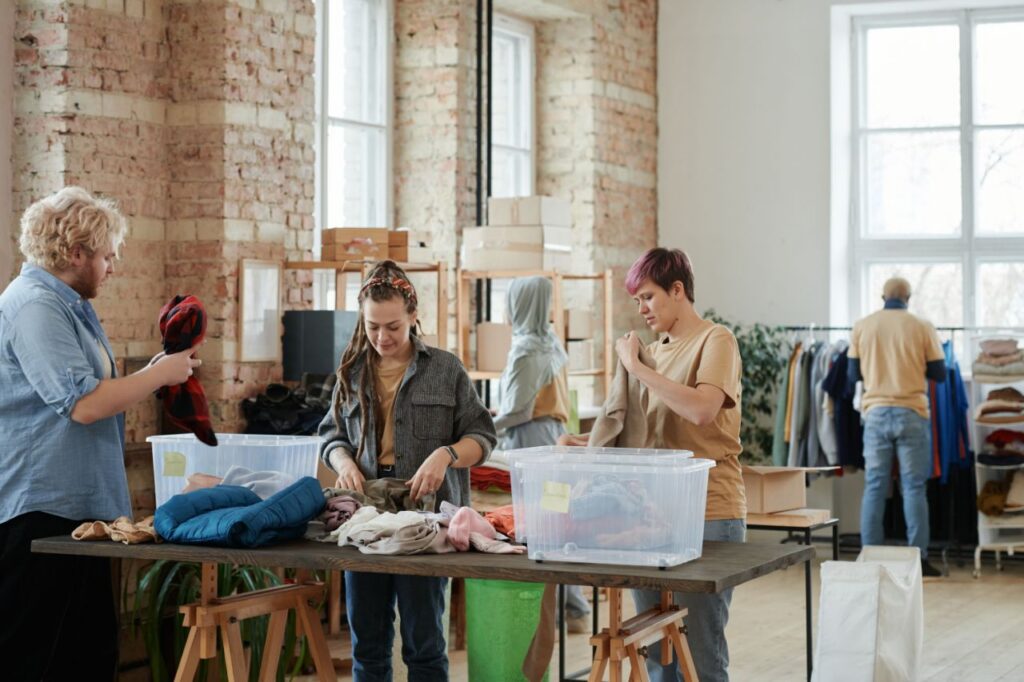
The Hidden Risks of Second-Hand Bargain Hunting
Before purchasing pre-owned items, shoppers must distinguish between simple aesthetic wear and functional degradation. Items designed for physical safety, personal hygiene, or child protection often carry invisible damage—such as micro-fractures, degraded synthetic materials, or microscopic biological contamination—that cannot be identified visually.
1. Safety and Protective Equipment
Items designed to absorb physical impacts or prevent life-threatening injuries should never be purchased second-hand under any circumstances.
A. Child Car Seats and Booster Seats
Child safety seats are engineered for single-impact integrity. If a car seat has been involved in even a minor vehicle collision, the internal plastic frame can develop micro-fractures that compromise its ability to protect a child in a subsequent accident. Furthermore:
- Safety standards change frequently, making older models obsolete.
- Plastic degrades over time when exposed to heat and sunlight inside vehicles, giving car seats strict manufacturer expiration dates (typically 6–10 years).
- Crucial safety recall labels or installation instruction manuals are often missing from thrifted units.
B. Bicycle, Motorcycle, and Sports Helmets
Helmets feature specialized expanded polystyrene (EPS) foam layers designed to crush upon impact, absorbing kinetic energy to prevent traumatic brain injuries. Once a helmet experiences an impact—or suffers material degradation due to age, sweat, and UV exposure—its protective capability drops drastically. Because internal foam damage is often invisible beneath the outer shell, buying a used helmet is an unacceptable risk.
According to safety guidelines published by Consumer Reports, purchasing second-hand safety gear like car seats or protective helmets introduces unquantifiable risks because an item’s accident history cannot be verified.
2. Hygienic, Bedding, and Soft Goods Categories
Soft, porous items that come into direct contact with human bodies retain organic contaminants that standard washing machines cannot eradicate.
A. Mattresses, Pillows, and Plush Toys
Upholstered furniture, used mattresses, and plush stuffed animals are primary breeding grounds for biological hazards:
- Bedbugs and Dust Mites: Bedbug infestations are notoriously difficult and expensive to eradicate once introduced into a home. Infested seams or interior padding are rarely visible during a quick store inspection.
- Fungal and Mold Spores: Body sweat and ambient humidity trapped inside foam cushions or pillow fiberfill foster persistent mold growth and allergen accumulation.
B. Personal Care Products and Makeup
Unopened or partially used cosmetics, skincare creams, hair removal devices, and electric razors found in discount thrift bins pose severe microbiological risks. Bacterial pathogens such as Staphylococcus and Pseudomonas thrive in moist cosmetic compounds, easily transferring severe skin or eye infections to new users.
3. Electrical Appliances and Cookware
While antique lamps or vintage kitchen gadgets look charming, older electrical and culinary items introduce immediate home safety hazards.
- Non-Stick Cookware (Teflon): Older non-stick pans often feature scratched or peeling PTFE coatings. Cooking with degraded non-stick cookware releases microscopic toxic particles and synthetic chemicals into food.
- Vintage Small Appliances: Older coffee makers, toaster ovens, and power tools frequently lack modern safety features like polarized plugs or grounded wiring, creating dangerous electrical shock or house fire hazards.
Practical Checklist: What Is Always Safe to Thrift?
To maximize savings while avoiding health hazards, focus your thrift shopping efforts exclusively on non-porous, non-impact-dependent product categories:
- Solid Wood Furniture: Hardwood tables, chairs, and dressers can be sanded, sanitized, and refinished safely without pest risks.
- Hardcover Books and Board Games: Inspect pages for moisture stains, but paper goods generally pose minimal health hazards.
- Glassware and Ceramic Home Decor: Glass vases, ceramic dishes, and metal wall art can be sterilized using standard dishwashing detergent.
- Outerwear and Hard Apparel: Leather jackets, winter coats, and hard accessories (like belts and purses) can be disinfected easily.
Final Thoughts
Thrift shopping remains a powerful financial tool for reducing consumer spending and embracing sustainable living. However, protecting your home and family requires establishing clear boundaries. By avoiding high-risk categories like car seats, protective helmets, mattresses, and vintage electronics, you can enjoy thrift store bargains without compromising safety or health.