
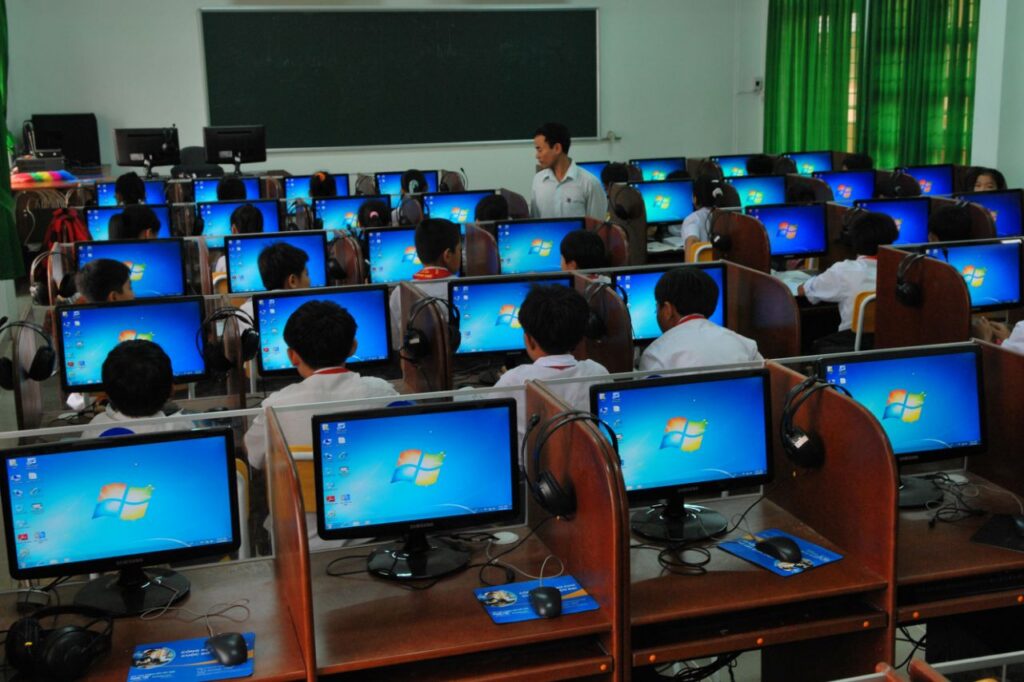
For decades, traditional education systems relied primarily on a standardized “one-size-fits-all” teaching model. In conventional classrooms, every student receives the same lectures, completes identical assignments, and progresses through curriculum at a uniform pace—regardless of individual learning speeds, cognitive strengths, or specific knowledge gaps.
However, the rapid integration of artificial intelligence (AI) into global educational frameworks is fundamentally dismantling this outdated approach. By leveraging adaptive algorithms, predictive analytics, and natural language processing, modern educational technology (EdTech) platforms enable personalized learning at scale, catering directly to the unique academic needs of every individual learner.
What Is AI-Powered Personalized Learning?
AI-driven personalized learning refers to an educational framework that dynamically adjusts instructional content, pacing, and difficulty based on real-time student performance and engagement data. Rather than replacing human educators, these intelligent systems serve as personal academic tutors that guide students through custom-tailored learning pathways.
Core Technological Components:
- Adaptive Learning Algorithms: Platforms analyze how a student answers specific questions, automatically adjusting subsequent task difficulty to match their actual comprehension level.
- Real-Time Automated Feedback: Intelligent systems provide immediate hints and detailed explanations when a student makes a mistake, preventing knowledge gaps from accumulating.
- Predictive Learning Analytics: Machine learning models evaluate student study habits and quiz results to identify individuals at risk of falling behind before formal examinations occur.
According to insights published by the World Economic Forum, leveraging personalized digital tools helps bridge educational gaps, allowing students in diverse economic environments to master fundamental subjects at their own pace.
Major Benefits of AI Integration in Classrooms
The implementation of adaptive technology delivers substantial advantages to both students and academic institutions, enhancing long-term educational retention and engagement.
1. Tailored Pacing and Increased Student Motivation
Every student learns differently. Advanced learners often feel bored when restricted by traditional class pacing, while struggling students frequently feel overwhelmed when topics move too quickly. AI systems resolve this dilemma by permitting fast learners to accelerate through material while offering extra practice modules to those who need additional review.
2. Streamlining Administrative Tasks for Teachers
Educators often spend countless hours on repetitive administrative work, including grading routine multiple-choice assignments, recording attendance, and compiling progress reports. AI-assisted tools handle these administrative burdens automatically, freeing valuable time for teachers to focus on one-on-one student coaching, mentorship, and creative lesson design.
3. Accessible Support Beyond School Hours
Interactive AI tutoring platforms provide students with continuous, 24/7 academic support. Whether completing homework late at night or reviewing complex concepts prior to an exam, learners can ask questions and receive structured explanations instantly.
Key Challenges Facing the Future of EdTech
While the advantages of AI in education are undeniable, expanding these technologies requires addressing several operational and ethical hurdles:
- Digital Equity and Access: Ensuring that students in underfunded schools or remote regions have access to high-speed internet and hardware required to run advanced learning software.
- Data Privacy and Student Security: Educational institutions must enforce strict data governance policies to protect sensitive student records and personal information gathered by AI platforms.
- Maintaining Human-Centric Mentorship: Technology should enhance—not replace—the essential social-emotional bond between teachers and students. Empathy, critical thinking, and character development remain uniquely human teaching responsibilities.
The Road Ahead for Global Learning
As generative AI and immersive technologies continue to mature, the future of education will become increasingly flexible, interactive, and personalized. Classrooms are evolving from rigid environments into dynamic learning hubs where technology handles content adaptation and human teachers inspire critical thinking, collaboration, and lifelong curiosity.
Final Thoughts
The transformation of global education through AI represents a powerful shift toward true educational inclusivity. By catering to individual learning styles, empowering teachers with actionable data, and making high-quality tutoring universally accessible, personalized learning is equipping the next generation with the exact skills required to thrive in a rapidly changing world.