

Global food inflation is expected to accelerate in the coming months and remain a major concern into 2027, as geopolitical conflicts, shipping disruptions and extreme weather put increasing pressure on food supplies and production costs. Rising prices for essential commodities are placing additional financial pressure on households, particularly in developing countries where food accounts for a large share of family spending.
According to a Reuters report published on October 19, 2026, several supply disruptions are occurring at the same time, increasing the risk of higher prices for staple foods such as rice, wheat, sugar and cooking oil.
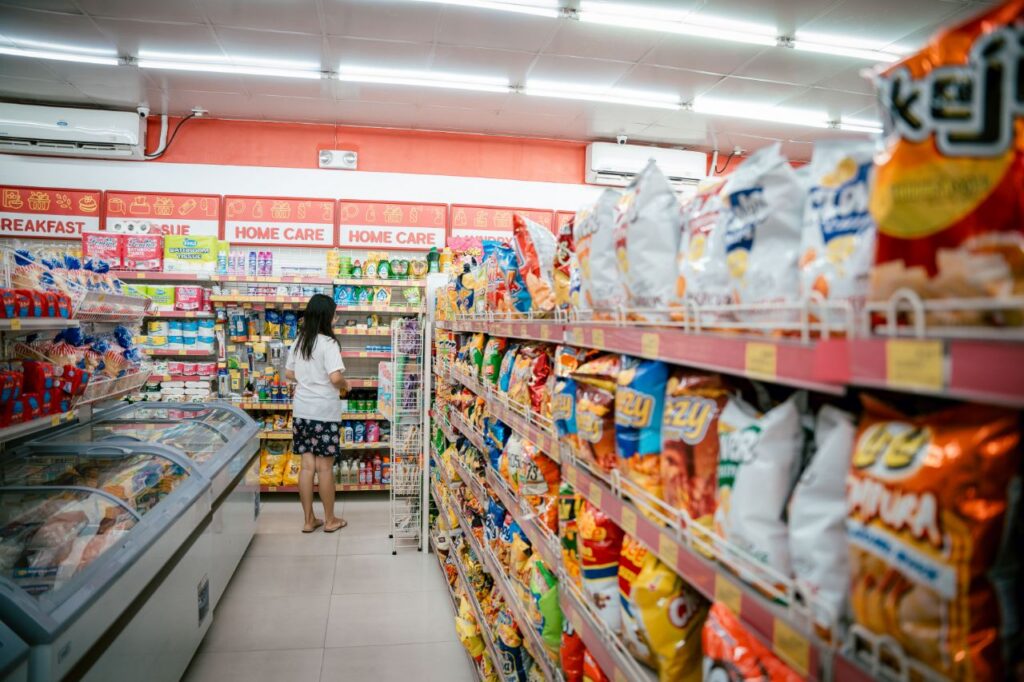
Multiple Crises Are Putting Pressure on Food Supplies
One of the main reasons behind the growing food inflation risk is the combination of geopolitical tensions and disruptions to international trade routes.
Attacks on grain infrastructure in the Black Sea region have affected wheat shipments, forcing major importing countries to seek alternative sources of supply. Meanwhile, insecurity in the Red Sea has led some shipping companies to take longer routes, increasing transportation times and costs.
Conflict involving Iran has also contributed to higher energy prices and disruptions affecting fertilizer supplies. These developments matter because modern agriculture depends heavily on fuel, electricity, fertilizers and international transportation.
When these essential inputs become more expensive or difficult to obtain, farmers and food producers face higher operating costs. Those costs can eventually be passed on to wholesalers, retailers and consumers.
Rising Fuel and Fertilizer Costs Could Affect Future Harvests
Energy prices play an important role throughout the food supply chain. Farmers use fuel to operate machinery, irrigate fields and transport harvested crops. Food manufacturers also need energy to process, refrigerate, package and distribute products.
Fertilizers are equally important for maintaining agricultural productivity. When fertilizer prices increase, some farmers may reduce the amount they apply to their fields or switch to crops that require fewer inputs.
Although these decisions can help farmers manage expenses in the short term, reduced fertilizer use may contribute to lower yields in subsequent harvests. If production falls while global demand remains strong, food prices could face additional upward pressure.
The timing of these effects is important. Higher agricultural input costs do not always translate immediately into higher supermarket prices. The impact can emerge months later, when farmers harvest crops produced under more expensive conditions or when existing stocks become depleted.
The World Bank’s 2026 Commodity Markets Outlook discusses how energy prices, fertilizer costs and geopolitical disruptions can influence agricultural commodity markets.
Extreme Weather Adds Another Layer of Risk
Weather conditions are another major factor threatening global food supplies. The development of El Niño conditions could alter rainfall patterns and increase the risk of drought in some agricultural regions.
Countries that depend on seasonal rainfall may be particularly vulnerable. Delayed monsoon rains or prolonged dry conditions can reduce rice production, affect wheat and other cereal crops, and increase uncertainty for farmers planning their next planting season.
In India and parts of Southeast Asia, changes in rainfall could have important implications for rice production. Meanwhile, adverse weather in other agricultural regions could affect global supplies of wheat, sugar and other commodities.
The effects of weather shocks can extend beyond the countries where crops are grown. Because agricultural commodities are traded internationally, a poor harvest in a major exporting country can tighten global supplies and push up import costs elsewhere.
The Food and Agriculture Organization of the United Nations (FAO) monitors international food commodity prices and provides updates on developments affecting global food markets.
Rice, Wheat and Sugar Prices Under Pressure
Rising costs and supply uncertainty are already affecting several important food commodities.
Wheat is a key ingredient in bread, noodles and many processed foods. Higher wheat prices can increase production costs for bakeries and food manufacturers, eventually affecting consumers.
Rice is particularly important across Asia, where millions of households depend on it as a daily staple. Even moderate increases in rice prices can place significant pressure on low-income families, especially when wages do not rise at the same pace.
Sugar prices may also increase when adverse weather reduces production in major growing regions. Cooking oil and other food products can face similar pressures when agricultural supplies tighten or transportation costs rise.
The impact varies between countries because domestic prices depend not only on international commodity markets but also on exchange rates, import dependence, government policies, local harvests and distribution costs.
Food Inflation Is Already Affecting Household Budgets
Higher food prices can force families to make difficult choices about their daily spending.
When the cost of basic ingredients rises, households may reduce spending on education, healthcare, transportation or other essential needs to maintain their food budgets. Some families may also switch to cheaper products, reduce portion sizes or consume fewer meals.
These pressures are particularly serious in countries where household incomes are low and social protection systems have limited resources.
Food inflation can also affect small businesses. Restaurants, bakeries and food manufacturers may face higher ingredient and energy costs, forcing them to raise prices, reduce profit margins or adjust their operations.
According to the FAO’s Food Price Index, the international benchmark averaged 136.0 points in September 2026, an increase of 1.5% from August and 5.8% compared with a year earlier. The index tracks international prices across major food commodity groups, although movements in this measure do not translate directly into identical retail price changes in every country.
Developing Countries Face Greater Vulnerability
Developing economies may be especially exposed when they depend heavily on imported food, fuel or fertilizer.
Higher international prices can increase import bills and put pressure on foreign currency reserves. If a country’s currency weakens against the US dollar, imported commodities may become even more expensive in local currency.
Governments may respond through targeted assistance, temporary tax changes, food subsidies or measures to support domestic agricultural production. However, such policies can be difficult to sustain when public finances are already under pressure.
For food-importing countries, diversifying suppliers and improving transport and storage infrastructure can help reduce exposure to individual supply disruptions. Supporting local farmers with access to reliable seeds, irrigation, financing and agricultural information can also strengthen resilience over time.
What Could Happen in 2027?
The outlook for global food prices will depend on how several developments unfold over the coming months.
A reduction in geopolitical tensions, improved shipping conditions and favorable harvests could ease pressure on international markets. However, prolonged conflict, continued disruptions to fertilizer and energy supplies, or severe weather could push prices higher than expected.
The effects will not necessarily be uniform. Countries with strong domestic harvests, diversified import sources and effective support programs may be better positioned to protect consumers. Others could face more severe food affordability challenges.
The World Bank has warned that rising energy and fertilizer costs, extreme weather risks and potential trade restrictions could push food prices above earlier expectations. Its analysis is available through the World Bank’s food and commodity market updates.
Conclusion
Global food inflation is becoming an increasingly important economic concern as supply shocks accumulate across agriculture, energy and international trade. Disrupted shipping routes, higher fuel and fertilizer costs, and the threat of extreme weather could combine to put further pressure on food supplies and prices through 2027.
For households, the consequences could include higher grocery bills and difficult spending decisions. For governments and businesses, the challenge will be to protect vulnerable consumers while strengthening supply chains and agricultural resilience.
The direction of food prices will ultimately depend on how quickly these disruptions ease, how harvests perform and whether global markets can maintain adequate supplies. Until conditions improve, food affordability is likely to remain a key concern for consumers around the world.