

Introduction
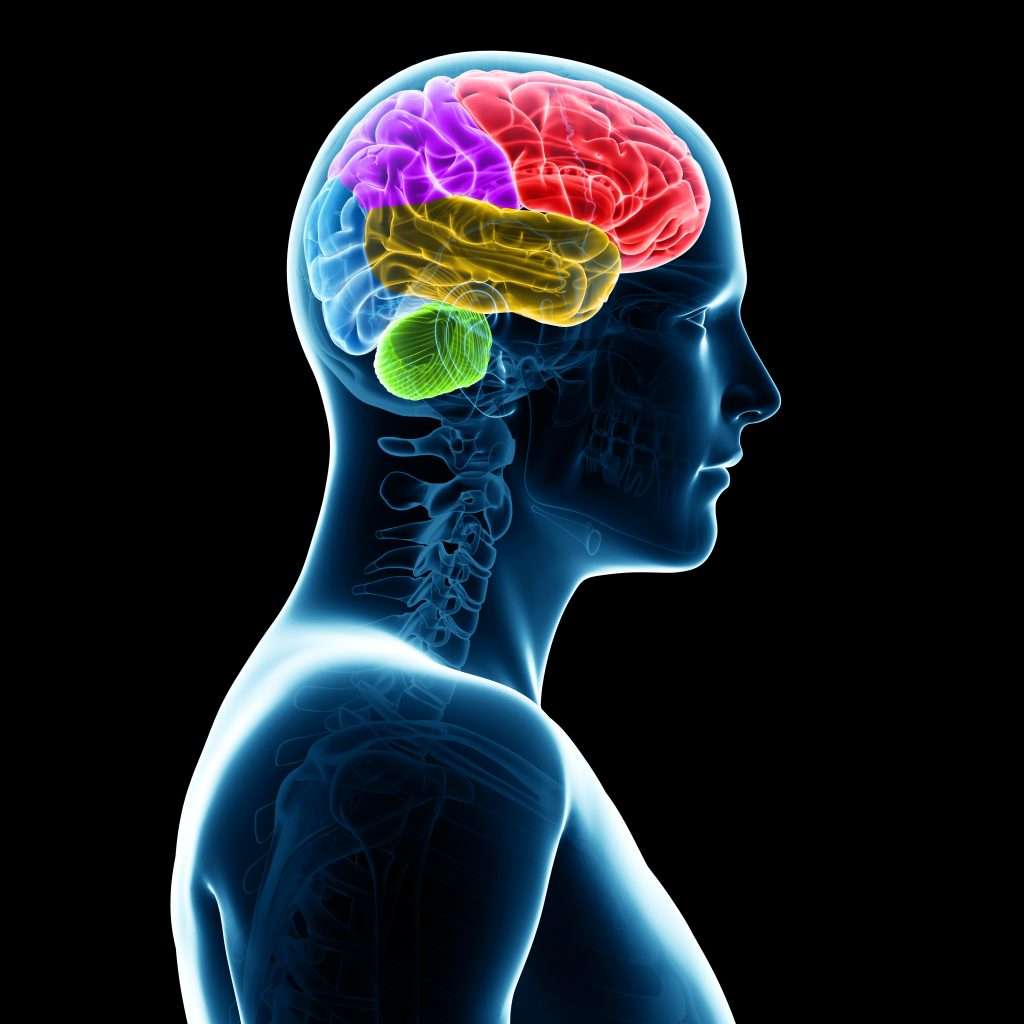
Light is helping scientists explore one of the most complex organs in the human body: the brain. Through a scientific technique known as optogenetics, researchers can use carefully controlled pulses of light to activate or inhibit selected nerve cells, also called neurons. This approach allows scientists to investigate how brain cells communicate and how their activity influences movement, memory, emotions, and behavior.
Although the technique has transformed neuroscience research, it remains largely experimental for many brain-related applications. It is not a simple treatment that involves shining a light on a person’s head. Instead, it combines genetics, biology, and optical technology to control particular cells with a high degree of precision.
What Is Optogenetics?
Optogenetics is a research technique that combines genetic engineering with light-sensitive proteins to control the activity of specific cells. Scientists introduce genetic instructions that enable selected neurons to produce proteins that respond to particular wavelengths of light.
Once these proteins are present, researchers can direct light toward the targeted cells. Depending on the protein used, the light can make neurons more active or suppress their activity.
According to the University of California, Los Angeles (UCLA) School of Medicine, optogenetics allows researchers to switch particular types of neurons on or off and observe how these changes affect brain function and behavior.
This level of control helps researchers investigate the roles of different neurons within the brain’s complex networks.
How Does Light Control Brain Cells?
Neurons communicate through electrical signals and chemical messengers. Their activity depends partly on the movement of electrically charged particles, known as ions, across their cell membranes.
Optogenetics uses specially selected light-sensitive proteins to influence this process.
The technique generally involves several steps:
- Selecting target cells: Researchers identify the type of neuron or brain circuit they want to study.
- Introducing light-sensitive proteins: Genetic methods are used to enable the selected cells to produce proteins that respond to light.
- Delivering controlled light: Researchers use an appropriate light source, sometimes connected to a thin optical fiber, to illuminate the target area.
- Changing neuronal activity: Depending on the protein and experimental conditions, light can stimulate or inhibit the targeted neurons.
- Observing the results: Scientists measure changes in neural activity and examine how those changes relate to behavior or brain function.
Because the response can be controlled through the timing and location of light delivery, researchers can study brain activity in ways that are difficult to achieve using conventional methods alone.
A scientific review published in Nature Reviews Methods Primers explains the principles and applications of optogenetics in greater detail. Read the research overview on optogenetics.
Why Is Controlling Neurons Important?
The human brain contains billions of neurons connected through intricate networks. These networks help regulate a wide range of functions, including movement, sensory perception, learning, memory, and emotional responses.
However, understanding which neurons cause particular effects is challenging. When researchers observe a specific pattern of brain activity, it can be difficult to determine whether that activity causes a behavior or simply occurs alongside it.
Optogenetics helps address this challenge by allowing researchers to change the activity of selected cells and observe what happens afterward.
For example, scientists may activate a particular group of neurons during a behavioral experiment and compare the results with those obtained when the same neurons are inhibited. This can provide stronger evidence about the role of that neural circuit.
The technique has helped researchers investigate how specific brain pathways contribute to behavior and how disruptions in neural circuits may be associated with neurological and psychiatric conditions.
Potential Applications in Brain Research
1. Understanding Memory and Learning
Memory formation depends on coordinated activity across several brain regions. By manipulating selected neurons, scientists can investigate how neural circuits contribute to storing, retrieving, and updating information.
Such research may improve our understanding of learning processes and the biological mechanisms involved in memory-related disorders.
2. Investigating Movement Disorders
Movement depends on communication between different areas of the brain and nervous system. When these circuits malfunction, movement may become slow, uncontrolled, or difficult to coordinate.
Optogenetics allows researchers to examine specific pathways involved in movement and investigate how changes in their activity affect motor behavior. This may help scientists develop a clearer understanding of conditions such as Parkinson’s disease.
However, findings from experimental models do not automatically translate into effective treatments for people.
3. Studying Pain and Sensory Processing
Pain signals involve networks of neurons that communicate between the body, spinal cord, and brain. Researchers can use light-based techniques to investigate the pathways involved in transmitting and processing these signals.
Understanding these circuits could help identify new targets for future pain research, although optogenetics is not currently a routine treatment for chronic pain.
4. Exploring Brain Disorders
Researchers are also investigating how abnormal neural activity may contribute to conditions involving mood, motivation, reward, and behavior.
By selectively manipulating neural circuits, scientists can examine relationships between particular pathways and specific behavioral responses. This may provide useful information for developing future research strategies and therapies.
The U.S. National Institute of Mental Health has described research involving a light-responsive tool designed to inhibit neuronal activity in mice. The work illustrates how scientists are developing more precise ways to study the brain’s neural circuits.
What Are the Advantages of Using Light?
One major advantage of optogenetics is its precision. Researchers can target particular populations of neurons and control their activity over very short periods.
Traditional approaches, such as electrical stimulation or medication, can affect multiple cells or biological processes. Optogenetics can offer greater selectivity when the appropriate light-sensitive proteins are expressed in the intended cells.
The technique also allows researchers to test how changes in neural activity influence other parts of a brain circuit. In some experimental systems, the effect can be switched on and off by controlling the light.
These capabilities make optogenetics a valuable tool for studying complex biological processes that are difficult to investigate through observation alone.
Nevertheless, its effectiveness depends on the target cells, the light-sensitive proteins, the delivery method, and the experimental conditions.
Challenges and Limitations
Despite its potential, optogenetics faces important technical and safety challenges.
First, researchers must introduce light-sensitive proteins into the correct cells. This requires specialized genetic techniques and careful control over which cells are affected.
Second, light does not penetrate all brain tissues equally. Many brain structures are located deep inside the skull, so researchers may need specialized equipment, including implanted optical fibers, to deliver sufficient light to the intended area.
Third, the safety of genetic modification, light delivery, and any required implanted devices must be evaluated for each application. A technique that works well in a laboratory experiment may not be suitable for clinical use.
Many optogenetics studies have been conducted in animals or laboratory preparations. Although research continues to explore possible medical applications, the approach is not an established general treatment for human brain disorders.
It is therefore important to distinguish between promising scientific research and therapies that have been demonstrated to be safe and effective in clinical practice.
Could Optogenetics Lead to Future Treatments?
Scientists are exploring whether precise control of neural activity could eventually contribute to new treatments for selected neurological conditions.
In principle, a treatment capable of targeting a specific group of cells could offer advantages over approaches that affect broader neural networks. However, developing such treatments requires extensive research into delivery methods, long-term safety, effectiveness, and potential side effects.
Optogenetics is also helping scientists understand brain circuits that may be relevant to future therapies, even when the research technique itself is not used as the final treatment.
The National Institutes of Health’s BRAIN Initiative describes efforts to develop tools that help researchers investigate and manipulate the activity of specific brain cells and neural circuits.
These advances may improve scientific understanding of the brain and support the development of more targeted approaches to neurological research.
Conclusion
Light is becoming an important tool in neuroscience. Through optogenetics, scientists can use light-sensitive proteins to activate or inhibit selected neurons, helping them investigate how brain circuits influence memory, movement, sensation, and behavior.
Although the technology has significant research potential, many applications remain experimental, and substantial challenges must be overcome before it can become a widely used medical treatment.
As scientists continue refining light-based tools, optogenetics may provide deeper insights into how the brain works and help guide future research into neurological disorders.