

Public health guidelines around the world consistently emphasize the vital role of fruit in a balanced, nutrient-dense diet. Packed with essential vitamins, minerals, anti-inflammatory polyphenols, and dietary fiber, regular fruit consumption is universally recognized for its ability to lower mortality rates and support long-term wellness.
However, modern nutritional epidemiology demonstrates that the mechanical form in which fruit is consumed—specifically whether it is eaten as intact whole fruit or drunk as liquid fruit juice—dramatically alters how the body digests, metabolizes, and responds to natural sugars.
A landmark national survey analyzing health data from over 371,000 adults revealed a striking correlation: individuals who eat whole fruit less frequently face significantly higher rates of cardiovascular disease (CVD) and underlying metabolic risk factors.
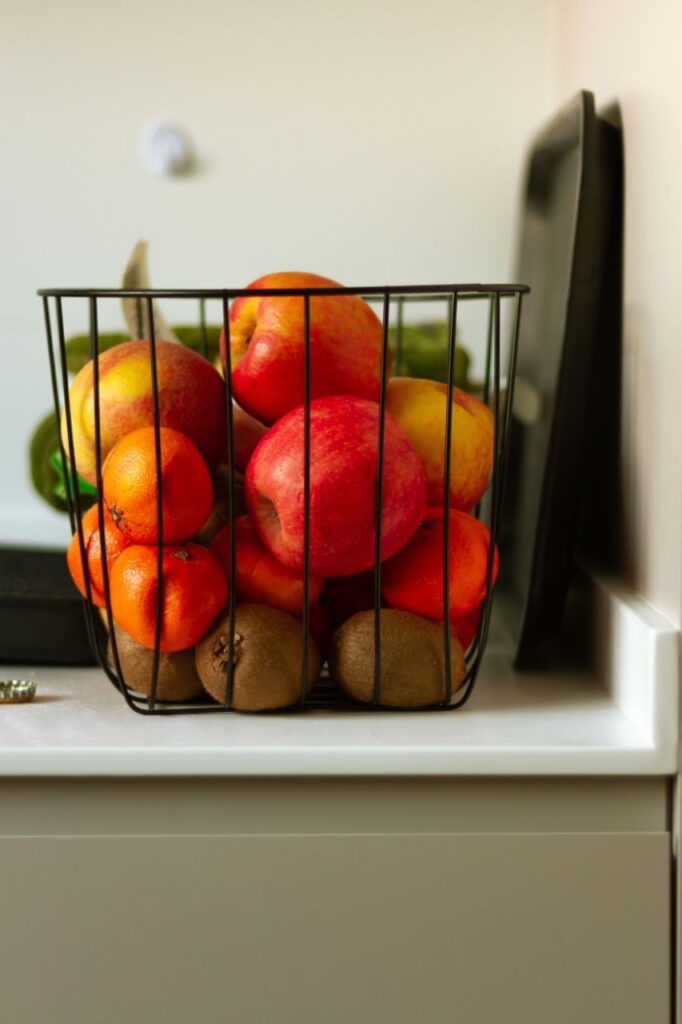
The 371,000-Adult Study: Key Scientific Findings
The research, derived from the Centers for Disease Control and Prevention’s (CDC) Behavioral Risk Factor Surveillance System (BRFSS), systematically evaluated the dietary frequencies of whole fruit and 100% fruit juice intake among adults with and without diagnosed cardiovascular conditions.
Key takeaways published by epidemiological researchers at ScienceAlert and Current Developments in Nutrition indicate that while fruit juice remains popular as a daily beverage, its metabolic behavior inside the human body fails to replicate the cardio-protective advantages conferred by fresh, whole fruit.
Nutritional Mechanics: Whole Fruit vs. 100% Fruit Juice
Understanding why whole fruit protects the cardiovascular system requires examining the physical matrix of plant tissues during digestion.
1. The Fiber Matrix and Satiety Signals
Whole fruits contain an intact structural matrix composed of insoluble and soluble dietary fibers (such as pectin). Fiber physically slows down gastric emptying in the stomach, requiring chewing and promoting satiety signals through the release of gut hormones like GLP-1 and PYY.
In contrast, commercial juicing extracts the liquid portion while filtering out the structural pulp and peel, removing the primary barrier that regulates sugar absorption.
2. Glycemic Load and Insulin Dynamics
When you drink a glass of fruit juice, your digestive system absorbs free sugars (fructose and glucose) rapidly without the damping effect of dietary fiber. This rapid influx triggers a sudden spike in blood glucose, forcing the pancreas to secrete high levels of insulin. Over time, recurring glucose spikes contribute to:
- Systemic Vascular Inflammation: Oxidative stress that damages arterial linings.
- Insulin Resistance: A precursor to metabolic syndrome and Type 2 diabetes.
- Hepatic De Novo Lipogenesis: The liver converting excess fructose directly into visceral fat and triglycerides.
Metabolic Benefits of Whole Fruit for Heart Health
Consuming fresh whole fruit regularly offers multiple biological mechanisms that directly reduce cardiovascular risk:
- Cholesterol Regulation: Soluble fiber in fruits like apples, pears, berries, and citrus binds to cholesterol precursors in the digestive system, carrying them out of the body before they can be absorbed into the bloodstream.
- Gut Microbiome Symbiosis: Microbes in the colon ferment fruit fibers into short-chain fatty acids (SCFAs), which exert potent anti-inflammatory effects throughout the vascular system.
Actionable Tips for Heart-Healthy Fruit Consumption
To maximize the cardiovascular benefits of fruit while minimizing metabolic strain, implement these practical habits:
- Prioritize Intact Fruits Over Drinks: Eat whole apples, oranges, berries, and plums instead of drinking their juiced counterparts.
- Keep the Peel Intact: Wash and eat fruit skins whenever edible. The peel concentrates much of the fruit’s total antioxidant, flavonoid, and fiber content.
- Blend Smoothies, Don’t Juice: If you prefer fruit beverages, use a full-food blender that retains the pulp and skin rather than a juice extractor.
- Pair with Healthy Fats or Protein: Combine fruit with raw nuts, seeds, or plain Greek yogurt to further flatten the glycemic response.
Final Thoughts
While fruit juice is often marketed as a natural health drink, the scientific consensus is clear: how you eat your fruit matters just as much as eating it. By choosing fresh, whole fruit packed with natural dietary fiber, you support steady blood sugar levels, protect your vascular system, and significantly lower your long-term risk of heart disease.