

The 21st-century space race has evolved beyond merely leaving footsteps on lunar dust. Today, global superpowers are vying to establish permanent human outposts, mining operations, and research stations on the lunar surface.
However, sustaining long-term human presence on the Moon presents a monumental engineering challenge: providing continuous, high-capacity power through the harsh lunar environment.
To solve this energy crisis, the United States, along with a competing alliance between Russia and China, is rushing to deploy surface nuclear fission reactors on the Moon within the next decade. While these reactors offer reliable power, a growing coalition of prominent scientists and policy experts warn that this accelerated geopolitical race poses significant radiological, technical, and regulatory risks.
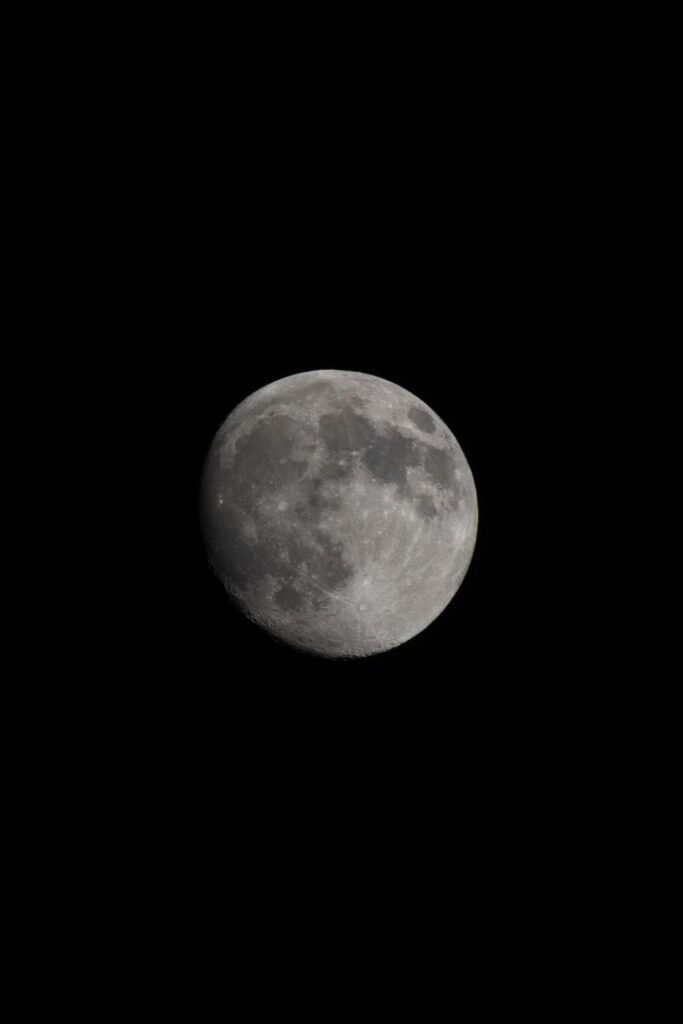
Why Solar Power Falls Short on the Moon
Solar panels have long served as the standard energy source for orbital satellites and planetary rovers. However, relying exclusively on solar energy for a permanent lunar base presents severe limitations:
- The 14-Day Lunar Night: A single night on the Moon lasts approximately 14 Earth days (336 hours), during which solar panels produce zero electricity.
- Extreme Temperature Plummets: During the lunar night, temperatures near the surface plunge to -130^\circ\text{C} (-208^\circ\text{F}) or lower, requiring massive heating capacity to prevent scientific equipment and habitat life-support systems from freezing.
- Geographic Constraints: Even in permanently shadowed craters at the lunar South Pole—where water ice deposits are concentrated—solar generation requires elevated towers and massive battery banks that add unsustainable weight to rocket payloads.
A compact nuclear fission reactor operating on enriched uranium can generate 10 to 40 kilowatts of continuous, weather-independent electrical power for a decade or more without refueling.
The Global Timeline: U.S. vs. Russia-China Alliance
The drive to electrify the Moon has split into two competing international blocs, each racing toward tight deadlines.
The U.S. Fission Surface Power (FSP) Initiative
Under NASA’s Artemis program, the U.S. government has partnered with commercial nuclear and aerospace contractors to design a lightweight, 40-kilowatt fission reactor. NASA aims to launch and place a functional reactor on the lunar surface by 2030 to support long-term astronaut habitation and resource extraction.
The Joint Russia-China Lunar Station (ILRS)
In parallel, Russia’s space agency (Roscosmos) and China’s National Space Administration (CNSA) have agreed to jointly develop an automated nuclear power plant for their planned International Lunar Research Station (ILRS) between 2033 and 2036. Russia brings decades of expertise in space-based nuclear thermal power, while China provides advanced robotics and lunar landing infrastructure.
According to technical program documentation released by NASA, compact fission power remains the most weight-efficient solution for powering deep-space missions and persistent planetary bases.
Scientific Concerns: Is the World Moving Too Fast?
While space agencies view nuclear reactors as essential infrastructure, leading physicists, environmental scientists, and space lawyers urge extreme caution. They argue that the geopolitical rush to beat rivals is causing governments to bypass critical risk assessments.
Primary Risks and Hazards Identified by Experts:
- Launch Failure Disasters: Transporting highly enriched radioactive fuel into orbit carries inherent catastrophic risk. A rocket explosion during launch or atmospheric re-entry could disperse radioactive materials across Earth’s atmosphere or ocean ecosystems.
- Radiation Hazard on the Lunar Surface: Unlike Earth, the Moon lacks an atmosphere or magnetic field to absorb radiation. A unshielded nuclear failure or core meltdown could contaminate the lunar surface, posing lethal hazards to nearby astronauts and delicate instruments.
- Absence of International Lunar Regulations: Existing legal frameworks, such as the 1967 Outer Space Treaty, do not provide detailed safety standards or waste management protocols for operating nuclear fission reactors on extraterrestrial bodies.
- Permanent Space Debris & Waste: Disposing of spent nuclear fuel components on the Moon risks creating permanent radiological hazard zones around high-value lunar territories, such as polar ice craters.
Balancing Geopolitical Ambition with Safety
To prevent the Moon from becoming an unregulated nuclear arena, international space safety advocates advocate for immediate diplomatic cooperation. Key recommendations include:
- Establishing Universal Shielding Standards: Requiring all lunar reactors to be buried underground or placed in natural lava tubes to block primary radiation.
- Mandating Pre-Launch Safety Verification: Implementing independent international safety audits before launching radioactive cores from Earth.
- Establishing Nuclear Exclusion Zones: Defining international buffer zones on the Moon to prevent competing bases from deploying reactors dangerously close to rival facilities.
Final Thoughts
The deployment of nuclear power on the Moon marks a pivotal milestone in human space exploration, unlocking the power needed to build permanent off-world settlements. However, national pride and competitive urgency must not overshadow safety and long-term stewardship. Establishing rigorous global protocols today is essential to ensuring that nuclear energy opens the cosmos safely rather than creating unprecedented hazards beyond Earth.