

Introduction
High blood pressure, also known as hypertension, is a common health condition that can increase the risk of heart disease, stroke, and kidney problems if left uncontrolled. For many people, medication plays an important role in keeping blood pressure within a healthy range.
However, certain foods and drinks can interfere with some blood pressure medications or make hypertension more difficult to manage. Understanding these potential interactions can help you make safer dietary choices and support your long-term health.
Not every food is dangerous for everyone taking blood pressure medication. The risks depend on the type of medicine, your kidney function, and your overall health. Here are five foods and drinks to pay attention to while taking blood pressure medication.
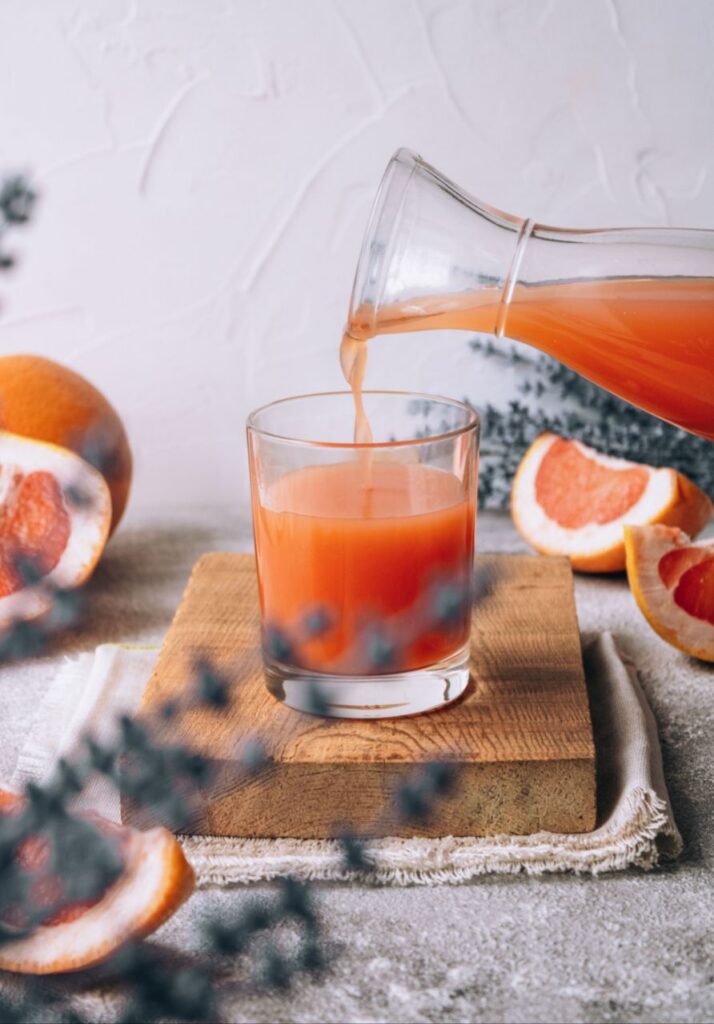
1. Grapefruit and Grapefruit Juice
Grapefruit is a nutritious fruit that contains vitamin C and other beneficial nutrients. However, it can interact with certain medications, including some calcium channel blockers used to treat high blood pressure.
Grapefruit and its juice can affect how the body processes certain drugs, potentially increasing the amount of medication in the bloodstream and raising the risk of side effects.
For example, grapefruit can interact with nifedipine, a medication used to lower blood pressure. Depending on the medicine, this interaction may increase the risk of dizziness, low blood pressure, or other adverse effects.
What should you do?
Check the information leaflet for your medication and ask your pharmacist whether grapefruit is safe for you. If your medication has a grapefruit warning, avoid grapefruit and grapefruit juice as directed by your healthcare professional.
For more information, visit the U.S. Food and Drug Administration’s guide to grapefruit and medication interactions.
2. Salty Foods and Processed Foods
Foods high in sodium, commonly found in salt, can contribute to elevated blood pressure. Eating too much sodium can cause the body to retain fluid, increasing the workload on the heart and blood vessels.
Although salty foods do not necessarily interact directly with every blood pressure medication, a high-sodium diet can make blood pressure more difficult to control.
Common foods to limit include:
- Instant noodles and packaged soups
- Processed meats, such as sausages and bacon
- Salted fish and heavily salted dried foods
- Chips and other salty snacks
- Canned foods with added salt
- Soy sauce, fish sauce, and other salty condiments
These foods are common in many diets, but consuming them frequently or in large quantities can increase sodium intake.
What should you do?
Choose fresh foods when possible, compare sodium levels on food labels, and use herbs, spices, garlic, or lemon to add flavor instead of relying heavily on salt.
The NHS guide to high blood pressure provides additional advice on reducing salt intake and improving heart health.
3. Potassium-Rich Foods and Potassium-Based Salt Substitutes
Potassium is an essential mineral that supports normal muscle function and helps regulate blood pressure. For many people, eating potassium-rich foods as part of a balanced diet is beneficial.
However, certain blood pressure medications can cause potassium levels in the blood to rise. These include some ACE inhibitors, angiotensin receptor blockers (ARBs), and potassium-sparing diuretics.
When potassium levels become too high, a condition known as hyperkalemia can develop. Severe hyperkalemia can affect the heart’s electrical activity and may become life-threatening.
Foods containing potassium include:
- Bananas
- Avocados
- Potatoes
- Tomatoes
- Dried fruits
Potassium-based salt substitutes also deserve special attention because they may contain potassium chloride instead of some or all of the sodium chloride found in regular salt.
What should you do?
Do not automatically eliminate fruits and vegetables from your diet. Instead, ask your doctor whether you need to limit potassium based on your medication and kidney function. Avoid potassium supplements and potassium-based salt substitutes unless your healthcare professional confirms they are appropriate for you.
Read the NHS information about irbesartan, which explains why potassium-containing salt alternatives may require caution with certain blood pressure medications.
4. Black Licorice
Black licorice is a sweet food made with licorice root extract. Although it may seem harmless, some licorice products contain glycyrrhizin, a compound that can increase blood pressure and affect the body’s balance of potassium and other electrolytes.
Consuming large amounts of licorice or eating it regularly over a long period can cause serious health problems, including abnormal heart rhythms. The risk may be greater for people who already have high blood pressure, heart disease, or kidney problems.
Licorice may also interfere with the effects of some blood pressure medications and diuretics.
Licorice ingredients can appear in certain candies, herbal teas, traditional remedies, and dietary supplements.
What should you do?
Avoid black licorice products containing glycyrrhizin if your healthcare professional advises you to do so. Be particularly cautious with concentrated licorice extracts and supplements, and ask your pharmacist before using herbal products alongside prescription medication.
For further details, visit the National Center for Complementary and Integrative Health’s guide to licorice root.
5. Alcoholic Drinks
Alcohol can affect blood pressure and may interact with certain medications used to treat hypertension.
Depending on the medication and the amount consumed, alcohol may increase the risk of dizziness, lightheadedness, or an excessive drop in blood pressure. Regular heavy drinking can also make blood pressure harder to control over time.
Alcoholic drinks include beer, wine, spirits, and mixed drinks containing alcohol.
Some people may experience stronger medication side effects after drinking, particularly when they have recently started treatment or had their dosage changed.
What should you do?
The safest choice for blood pressure management is to avoid alcohol. If you drink, ask your healthcare professional whether any amount is safe with your specific medication and health condition.
Do not assume that drinking a small amount is safe for every type of blood pressure medicine.
For additional guidance, see the NICE recommendations for managing high blood pressure.
Additional Tips for People Taking Blood Pressure Medication
In addition to paying attention to food and drink, several everyday habits can help you manage high blood pressure more effectively.
Take your medication as prescribed. Do not skip doses, change the dosage, or stop taking medication without consulting your healthcare professional.
Check before using supplements. Herbal remedies, vitamins, and mineral supplements can interact with prescription medicines or affect blood pressure.
Monitor your blood pressure. Follow your healthcare professional’s advice on measuring your blood pressure at home and keeping a record of your readings.
Maintain a balanced diet. Choose vegetables, fruits, whole grains, and other nutritious foods in amounts appropriate for your medical condition. If you have kidney disease or take medication that affects potassium, ask your healthcare professional about the best dietary approach.
Consult your pharmacist. If you are unsure whether a particular food or drink is safe with your medication, a pharmacist can help identify potential interactions.
Conclusion
Certain foods and drinks can affect blood pressure or interact with specific medications. Grapefruit, high-sodium foods, potassium-rich foods and salt substitutes, black licorice, and alcohol are five important areas to consider.
However, the appropriate dietary restrictions vary depending on the medicine you take and your individual health needs. Some foods that require caution for one person may be perfectly safe for another.
The best approach is to follow a balanced diet, understand your medication’s specific warnings, and consult your doctor or pharmacist before making major dietary changes.
Important health note: This article is for educational purposes only and does not replace personalized medical advice. Never stop or change prescribed blood pressure medication without consulting your healthcare professional.