

The Islamic Republic of Iran holds some of the world’s largest proven crude oil and natural gas reserves. However, converting these fossil fuel assets into accessible liquid currency for the national treasury has proven to be an increasingly fraught, opaque, and economically damaging endeavor.
Parliamentary investigations, judicial reports, and government audits reveal that a vast network of unofficial oil sales brokers, private intermediaries, and state-affiliated trustees owes the Iranian government an estimated €10 billion to €11 billion (over $11 billion USD) in unrecovered energy revenues. Understanding how this staggering debt accumulated requires examining the complex web of sanctions evasion mechanisms, shadow banking systems, and systemic corruption that define modern Iranian oil exports.
1. Sanctions Evasion and Reliance on “Shadow Networks”
The root cause of these missing billions stems directly from international financial restrictions. Comprehensive trade sanctions imposed by the United States and international bodies restrict the National Iranian Oil Company (NIOC) from utilizing standard global banking networks—such as the Society for Worldwide Interbank Financial Telecommunication (SWIFT)—or executing transparent sales contracts with international refineries.
To bypass these hurdles, Tehran relies on an informal supply chain consisting of private brokers, foreign shell companies, and state-backed entities.
- Consignment Sales: The government delivers physical crude oil to these intermediaries on credit.
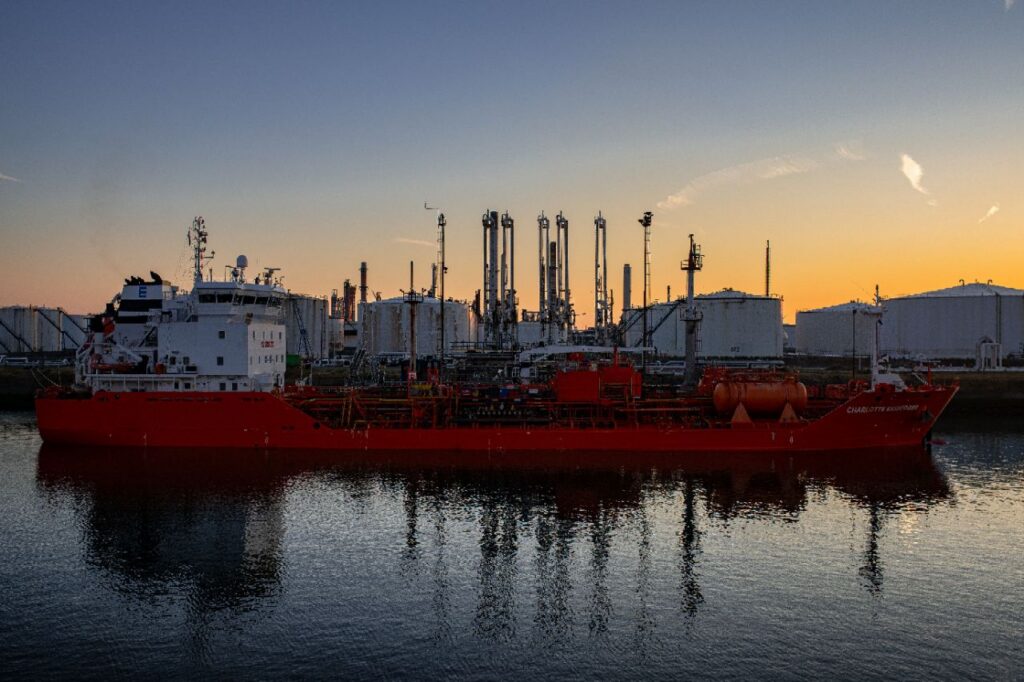
- Obfuscated Logistics: Brokers use a “shadow fleet” of aging tankers, ship-to-ship (STS) transfers, and forged flags of convenience to sell crude to willing buyers at discounted rates.
- Enforcement Gaps: Because these transactions operate entirely outside legal regulatory systems, enforcing standardized payment schedules or reclaiming proceeds becomes legally and logistically impossible.
2. Illiquid Payment Channels and Banking Bottlenecks
Even when private brokers successfully sell Iranian crude to international buyers, repatriating hard currency back into Iran’s Central Bank presents severe operational obstacles.
To prevent international financial regulators from tracking foreign currency flows back to Tehran:
- Trapped Offshore Funds: Revenue is frequently deposited into local accounts across foreign jurisdictions in soft, non-convertible currencies or used to acquire barter goods.
- Multi-Layered Laundering Loops: Funds pass through multiple currency exchange houses (sarafis) and shell entities. These multi-tiered transfers create prolonged delays, leaving billions listed as outstanding debt owed to the state oil enterprise.
According to investigative reporting and political analysis published by Radio Free Europe / Radio Liberty, these sanction-bypassing mechanisms inherently insulate middlemen from public accountability, turning missing revenue into a chronic budgetary burden.
3. Embezzlement, Corruption, and Arbitrage Exploitation
The opaque environment necessary for sanctions evasion provides fertile ground for systemic corruption and personal enrichment among well-connected figures.
- Capital Exploitation: Private brokers often hold onto state oil revenues for months or years, exploiting Iran’s high domestic inflation and currency depreciation. By reinvesting government funds into lucrative private real estate, foreign equities, or currency speculation before settling their initial debts in devaluation-adjusted local currency, brokers generate vast personal wealth at the state’s expense.
- The Legacy of High-Profile Fraud: Historical precedents—such as the case of billionaire broker Babak Zanjani, who accumulated over $2.7 billion in unpaid oil debts during earlier sanctions eras—highlight how individual trustees leverage national security secrecy to withhold public funds.
4. Bypassing Budget Allocation: Oil Grants to Non-State Entities
In an effort to fund infrastructure projects and maintain government department budgets without direct financial disbursements, the Iranian parliament periodically authorizes the direct allocation of physical crude oil to military branches, municipal authorities, and religious foundations (bonyads).
Because these non-specialized entities lack professional oil marketing divisions, they subcontract sales to third-party traders. These multi-layered sales chains frequently break down, leaving the national treasury with uncollected balances and no clear legal recourse to recover the funds.
Economic Fallout and Domestic Impact
The accumulation of over €10 billion in unpaid oil debts severely undermines Iran’s domestic economy:
- Widening Budget Deficits: Missing energy revenue represents a substantial portion of Iran’s annual national budget, worsening fiscal deficits and reducing public spending on health, education, and infrastructure.
- Accelerated Inflation: To compensate for missing oil revenues, the government often resorts to expanding the money supply, fueling domestic inflation and devaluing the national currency.
- Political Friction: The failure to reclaim these assets has sparked heated debates inside the Iranian parliament, with lawmakers demanding greater judicial intervention against corrupt oil traders.
Final Thoughts
The billions owed by Iran’s oil intermediaries illustrate the true structural costs of long-term economic isolation. While shadow networks allow Tehran to maintain crude exports despite stringent international sanctions, the resulting lack of transparency, rampant corruption, and financial bottlenecks continue to drain vital capital away from the national economy.