

The geopolitical landscape of international law and diplomacy has experienced a sharp escalation following the decision by the United States administration to impose sweeping economic and travel sanctions against the International Criminal Court (ICC). The executive order, announced by Secretary of State Marco Rubio, targets the global judicial body under the premise of defending American sovereignty and addressing what Washington describes as overreach by an unaccredited international legal institution.
This unprecedented action has triggered a massive wave of contrasting reactions across the international community, deepening the divide between Washington, its close allies, multilateral institutions, and global human rights advocates.
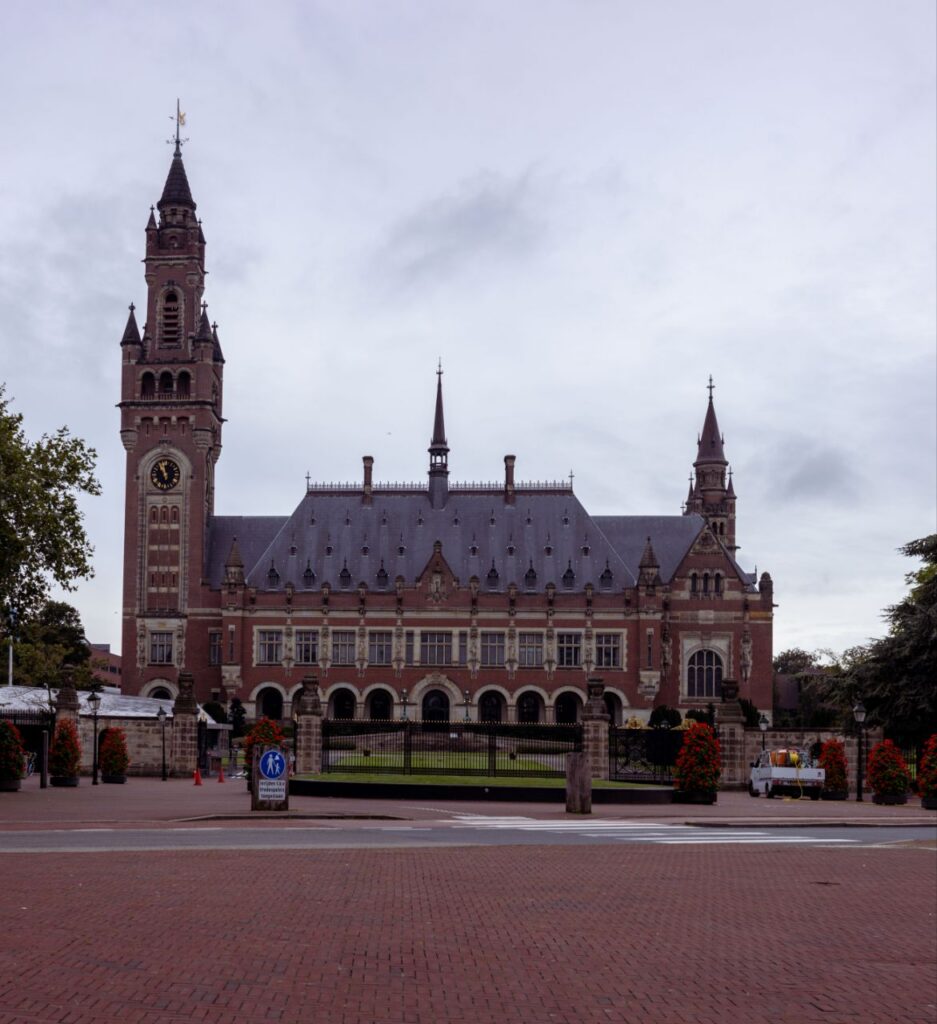
1. The Core Rationale Behind the US Sanctions
The friction between Washington and the Hague-based International Criminal Court is not entirely new, but the recent measures represent a dramatic escalation. Citing concerns over jurisdictional overreach concerning non-party states, the U.S. administration implemented blocking sanctions that freeze any property and financial interests of the ICC within U.S. jurisdiction, while prohibiting transactions involving designated individuals associated with the court.
The timing of the announcement—coinciding closely with global developments in international tribunals—highlighted Washington’s uncompromising stance against investigations targeting allied nations or U.S. military personnel.
2. The ICC’s Official Response: “The Court Will Not Be Deterred”
Moments after the sanctions were formalized, the International Criminal Court released a stern, unyielding statement rejecting the measures outright. Leadership at the Hague emphasized that targeting an independent judicial institution mandated by 125 states to investigate genocide, war crimes, and crimes against humanity represents a direct assault on the global rule of law.
- Obstructing Justice: The ICC characterized the sanctions as an intentional effort to obstruct judicial proceedings and intimidate court staff, prosecutors, and cooperating witnesses.
- Call for Collective Defense: While asserting that the institution itself will not yield to pressure, ICC leadership stressed that its survival and efficacy depend heavily on the united backing of the international community.
According to comprehensive global reporting compiled by WKZO and Reuters news networks, the administrative grace periods—such as 180-day general licenses issued by the U.S. Treasury for certain operational maintenance—provide a narrow window for diplomatic engagement before broader operational disruptions take effect.
3. Divergent International Responses
The international community has fractured into distinct factions following the announcement, reflecting deep disagreements over the scope and authority of global jurisprudence.
A. Israel Welcomes the Decision
In stark contrast to multilateral bodies, the Israeli government strongly applauded the U.S. move. Prime Minister Benjamin Netanyahu issued a public statement commending leadership in Washington, characterizing the ICC not as a legitimate court of justice, but as a politicized body that poses a mortal threat to law-abiding democracies and national sovereignty.
B. European Allies Push Back and Call for Protection
European nations that host or support the ICC expressed deep dismay over the sanctions, balancing diplomatic caution with commitments to uphold international justice.
- The Netherlands: As the host nation for the Hague tribunal, Dutch officials described the decision as a deeply regrettable step while noting that existing service contracts have short-term buffers.
- Belgium and the EU: Highlighting a proactive defense, Belgian authorities called for emergency discussions among European Union foreign ministers to evaluate activation of the EU Blocking Statute, designed to shield European entities from the extraterritorial reach of foreign sanctions.
4. Broader Implications for Global Governance
The imposition of sanctions on a global war crimes tribunal sets a precarious precedent for international relations. As major powers increasingly clash over multilateral agreements, the integrity of international law faces unprecedented stress tests.
Key questions remain regarding how future war crimes investigations will proceed, how global financial institutions will navigate dual compliance regulations, and whether multilateral diplomacy can bridge the widening chasm between national sovereignty and international accountability.
Final Thoughts
The decision by the United States to penalize the International Criminal Court marks a critical turning point in modern geopolitics. While Washington aims to protect sovereign interests and allied states from external legal oversight, the resulting pushback from European allies and the court itself guarantees that the debate over international accountability and the rule of law will remain at the forefront of global affairs.